As we enter the coldest part of the year—soon approaching the Sanjiu period (the harshest 9-day cycle of winter)—many fish keepers face an important seasonal challenge. For humans, winter is the best time for health preservation. As the saying goes: “Nourish the body in winter for a healthier year ahead.”
But for goldfish kept in naturally cooled, unheated water, there is a crucial rule every fish keeper should remember:
“Feed fish in winter, lose fish in spring!”
In other words, feeding when the water is too cold often leads to delayed problems that show up once temperatures rise.
Below is a clear explanation of why this happens—and how to avoid it.
1. Why Low Water Temperature Is Not Suitable for Feeding
Many hobbyists enjoy feeding their fish—it’s relaxing, rewarding, and watching fish eat is part of the fun of the hobby. Feeding often feels like care.
However, in winter, low water temperatures change how a fish’s digestive system works.
• Beneficial gut bacteria become inactive
When water temperatures drop below about 15°C (59°F), the beneficial bacteria in a goldfish’s intestines slow down dramatically. They can no longer effectively break down nutrients in food.
The result?
- Fish eat, but cannot digest properly.
- Food remains in the gut for days.
- Nutrients are not absorbed efficiently.
Many observant fish keepers notice that when water is below 15°C, it can take 2–3 days for fish to pass waste—compared to just a few hours in warmer seasons.
• Slow digestion increases health risks
Low temperatures slow intestinal movement, causing food to sit too long in the digestive tract. This easily leads to:
- indigestion
- gut inflammation
- internal bacterial imbalance
These issues may not appear immediately in winter because the fish’s metabolism is very slow. But once spring arrives and temperatures rise, the underlying problems suddenly “activate,” leading to outbreaks of:
- intestinal inflammation
- buoyancy problems
- bottom-sitting
- sudden death
This is why people say:
“Feed in winter → dead fish in spring.”
2. Basic Principles for Feeding Fish in Winter
1. Choose the right feeding time
If the weather is good and the water warms up slightly, you may feed a very small amount—but only when:
- Water temperature is above 12°C (53.6°F)
- It is midday, when the temperature is at its daily peak
Even if the goldfish appear hungry, do not overfeed. Overfeeding in cold water is one of the main causes of winter intestinal disease.
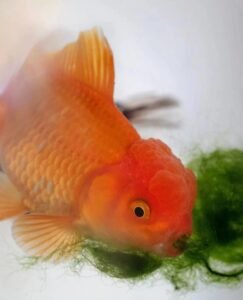
2. Keep some algae in the pond or tank
A layer of green algae helps:
- maintain stable water temperature
- increase oxygen production
- provide natural, easy-to-digest supplementary food
As noted by goldfish expert Liu Jingchun:
“Do not scrub all the algae from the tank walls at the beginning of winter; preserved algae maintain oxygen and help fish remain energetic during wintering.”
3. Stop feeding when temperatures are too low
Follow these guidelines:
- Below 12°C (53.6°F): feed very lightly and only easy-to-digest food
- Feed only every few days, not daily
- Below 8–10°C (46–50°F): generally stop feeding entirely
Even wheat-germ feeds—the easiest type to digest—are recommended only above 10°C.
3. Important Points for Winter Water Management
1. Acclimate new fish carefully
New goldfish are often shipped during winter holidays. But:
- transport temperatures vary
- indoors vs. outdoors differ greatly
- fish tolerate cold poorly after transport stress
Always acclimate new arrivals using standard quarantine practices (“the old three steps”) before lowering them to natural winter temperatures.
2. Avoid sudden temperature changes
Goldfish tolerate a wide temperature range, but not sudden shifts.
A water temperature change of more than 3°C (5.4°F) can cause:
- stress
- disease
- sudden death
This is why winter water aging and stabilizing are so important.
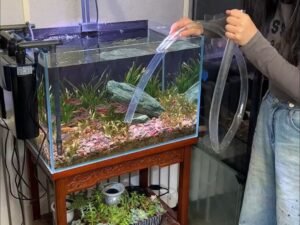
3. Avoid over-frequent water changes
Cold water slows biological activity. Changing water too often dilutes beneficial bacteria and creates “thin” or “raw” water, which leads to disease.
Guidelines:
- extend water change intervals to 1–2 weeks
- change water only at midday
- remove only debris from the bottom
- add only small amounts of fresh, temperature-matched water
Never perform large water changes in winter.
4. For ornamental aquariums: use a heater
If your aquarium temperature may fall below 15°C (59°F) and the tank is primarily for viewing, a heater is highly recommended.
Ideal goldfish water temperature for stable health:
18–25°C (64–77°F)
Warming the tank keeps biological filtration active and prevents winter digestive problems.
So—Does Feeding Fish in Winter Always Lead to Death in Spring?
Not necessarily.
The outcome depends entirely on water temperature and feeding control.
- In unheated outdoor or indoor natural-temperature setups, feeding during cold periods is risky.
- In heated aquariums, winter feeding is normal and safe.
As long as you follow winter feeding rules carefully, your goldfish can pass the winter safely and enter spring in excellent condition.