Knowing when to change fish tank water is one of the most important skills for any aquarium owner. Poor water quality can quickly stress fish, weaken their immune systems, and even lead to sudden deaths.
Fortunately, your aquarium will usually give you clear warning signs before things get serious. Below are the most common indicators that it’s time for a water change—and why you should never ignore them.
1. Cloudy Aquarium Water
Cloudy water is one of the most obvious signs of declining water quality. It usually means there are too many suspended particles in the tank, such as:
- Fish waste
- Uneaten food
- Decaying plant matter
Not only does cloudy water ruin the appearance of your aquarium, but it can also reduce oxygen levels and irritate fish gills. When your tank water loses its clarity, a water change should be done promptly.
2. Persistent Foam on the Water Surface
A small amount of surface disturbance is normal, but thick foam that doesn’t disappear is a warning sign. This usually indicates excessive organic waste in the water.
Common causes include:
- Overfeeding
- Overstocking fish
- Weak or insufficient filtration
When organic matter builds up, water quality deteriorates quickly. Changing part of the water helps remove excess waste and restores balance.
3. Abnormal Fish Behavior
Fish behavior often reflects water conditions before test kits show a problem. Watch closely for the following signs:
- Fish gasping or hovering at the surface
- Frequent rubbing against tank walls or decorations
- Reduced appetite
- Sluggish or inactive swimming
For example, surface gasping usually means low dissolved oxygen levels. This often happens when harmful bacteria multiply rapidly and consume oxygen due to poor water quality. If your fish behave abnormally, check the water and perform a water change if needed.
4. Unpleasant Smell from the Fish Tank
A healthy aquarium should smell clean or slightly earthy—never foul. If you notice a strong fishy, sour, or rotten odor, it’s a clear sign that harmful substances are accumulating in the water.
Bad smells typically come from:
- Excess waste buildup
- Dead organisms hidden in the tank
- Poor biological filtration
When odor appears, changing the water as soon as possible is essential to protect your fish.
5. Abnormal Water Test Results
Water testing provides the most reliable confirmation of water quality problems. Regularly test for:
- Ammonia
- Nitrite
- Nitrate
High ammonia or nitrite levels indicate that the biological filtration system is failing to break down toxic waste. Even though nitrate is less toxic, excessively high levels can still stress fish and stunt growth over time.
If test results fall outside the safe range, a partial water change is necessary to restore a healthy environment.
How Often Should You Change Fish Tank Water?
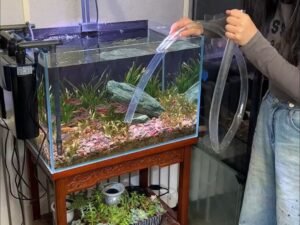
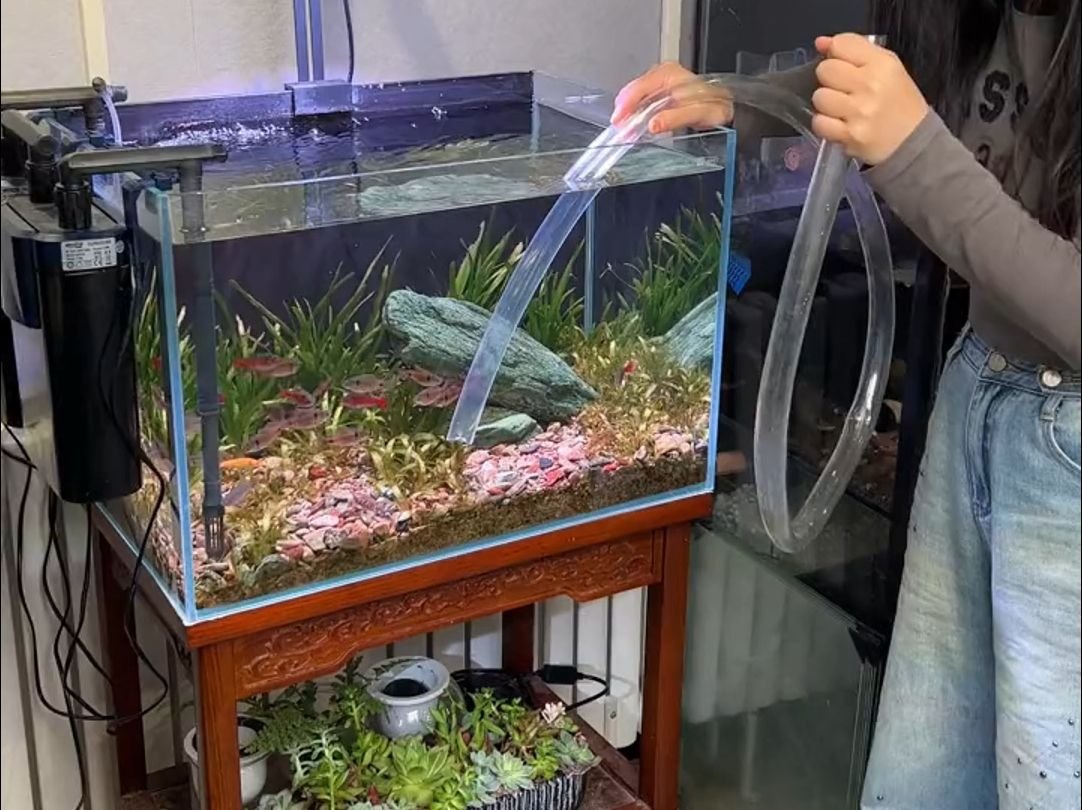
While the exact schedule depends on tank size, fish species, and filtration, most aquariums benefit from weekly partial water changes of 20–30%. Regular maintenance helps prevent the warning signs listed above from appearing in the first place.
Final Thoughts
Understanding when to change aquarium water is key to long-term fish health. Cloudy water, foam, strange smells, abnormal fish behavior, and poor test results are all signals that should never be ignored.
By observing your tank closely and responding early, you can maintain stable water quality and keep your fish active, healthy, and stress-free.