For anyone familiar with fishkeeping, the term nitrifying bacteria is likely not new. However, many fish enthusiasts only know that these are “beneficial bacteria” without understanding their full role.
So, what exactly are nitrifying bacteria? How do they contribute to the health and growth of your fish? And most importantly, how can you cultivate them effectively? Let’s break it down.
What Are Nitrifying Bacteria?
Nitrifying bacteria in aquariums are mainly divided into two types:
- Nitrite bacteria – These bacteria convert the toxic ammonia in the aquarium into nitrite, preventing ammonia from damaging fish gills and causing breathing problems.
- Nitrate bacteria – These bacteria transform nitrite, which can prevent oxygen transport in fish blood, into harmless nitrate.
In essence, nitrifying bacteria act as “invisible guardians” of your aquarium. They work quietly behind the scenes, yet their presence directly impacts the survival and well-being of your fish.
Why Are Nitrifying Bacteria Important?
Without a healthy population of nitrifying bacteria, toxic substances like ammonia and nitrite can accumulate quickly, leading to stress, disease, or even death in your fish. Establishing a stable bacterial colony ensures a natural, safe environment and maintains water quality in your aquarium.
How to Cultivate Nitrifying Bacteria
Cultivating nitrifying bacteria is not difficult if you provide the right conditions:
Provide Attachment Surfaces
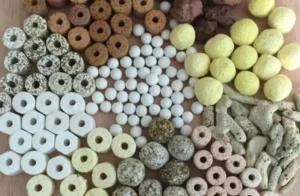
Nitrifying bacteria need porous surfaces to attach and grow. Materials like ceramic rings, bio-balls, or sponge filters work well.
Maintain Suitable Water Conditions
- pH: Neutral to slightly alkaline water (7.0–8.5) is ideal.
- Temperature: 20–30°C (68–86°F) ensures maximum bacterial activity.
- Oxygen: Adequate dissolved oxygen is crucial. Use an appropriately sized air pump—too weak won’t supply enough oxygen, too strong can stress fish and stir up debris.
Start Bacterial Colonization
There are two common ways to seed nitrifying bacteria in your aquarium:
- Traditional Method: Introduce hardy “starter fish” like zebra danios or guppies. Their waste produces ammonia, which promotes bacterial growth. This method usually takes 2–4 weeks to establish a stable colony.
- Using Bacterial Supplements: Commercial nitrifying bacteria products can accelerate the process. By following the product instructions, a stable bacterial system can develop in 1–2 weeks, making it faster and more convenient.
Summary
Nitrifying bacteria are the hidden heroes of any aquarium. By understanding their role and cultivating them properly, you ensure a healthy, safe environment for your fish while preventing toxic build-up. Whether using starter fish or bacterial supplements, establishing a stable nitrifying system is an essential step in successful fishkeeping.